
Solution 06 · Stationary energy
Solar EV Charging Stations with Battery Storage
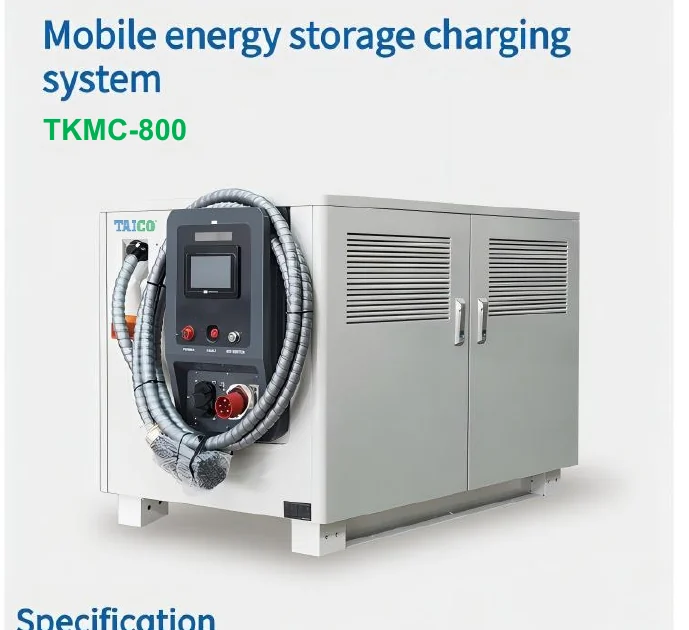
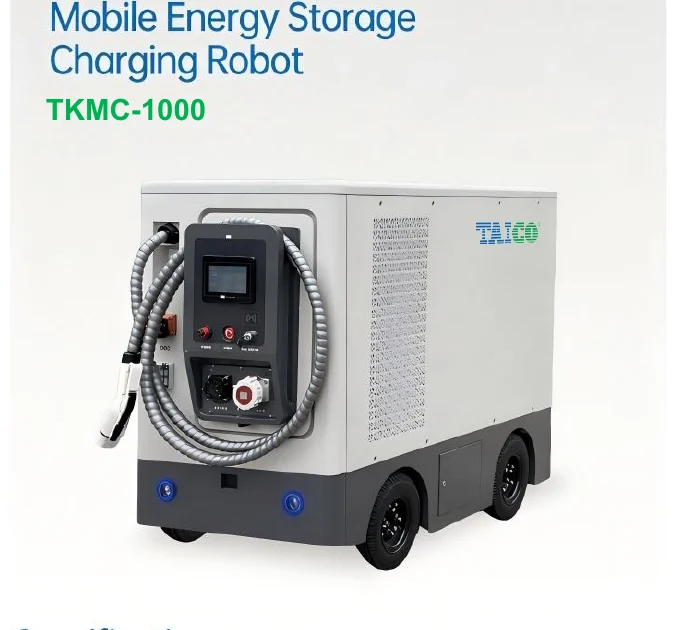
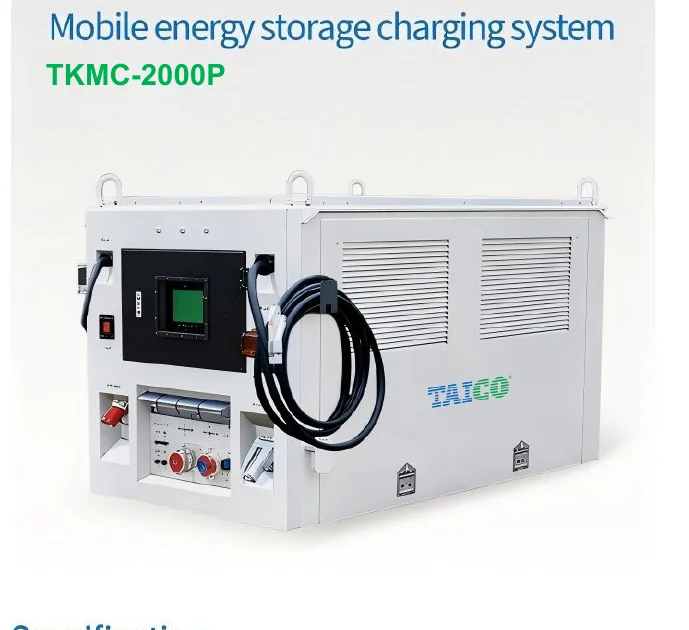
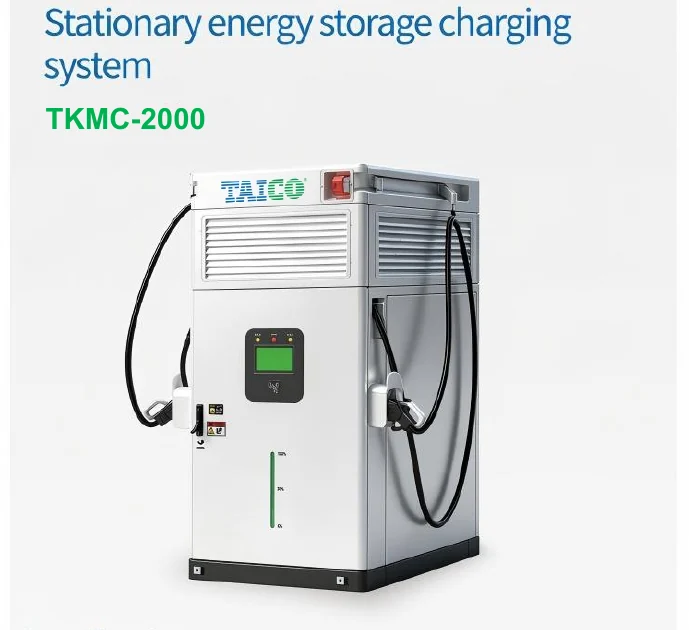
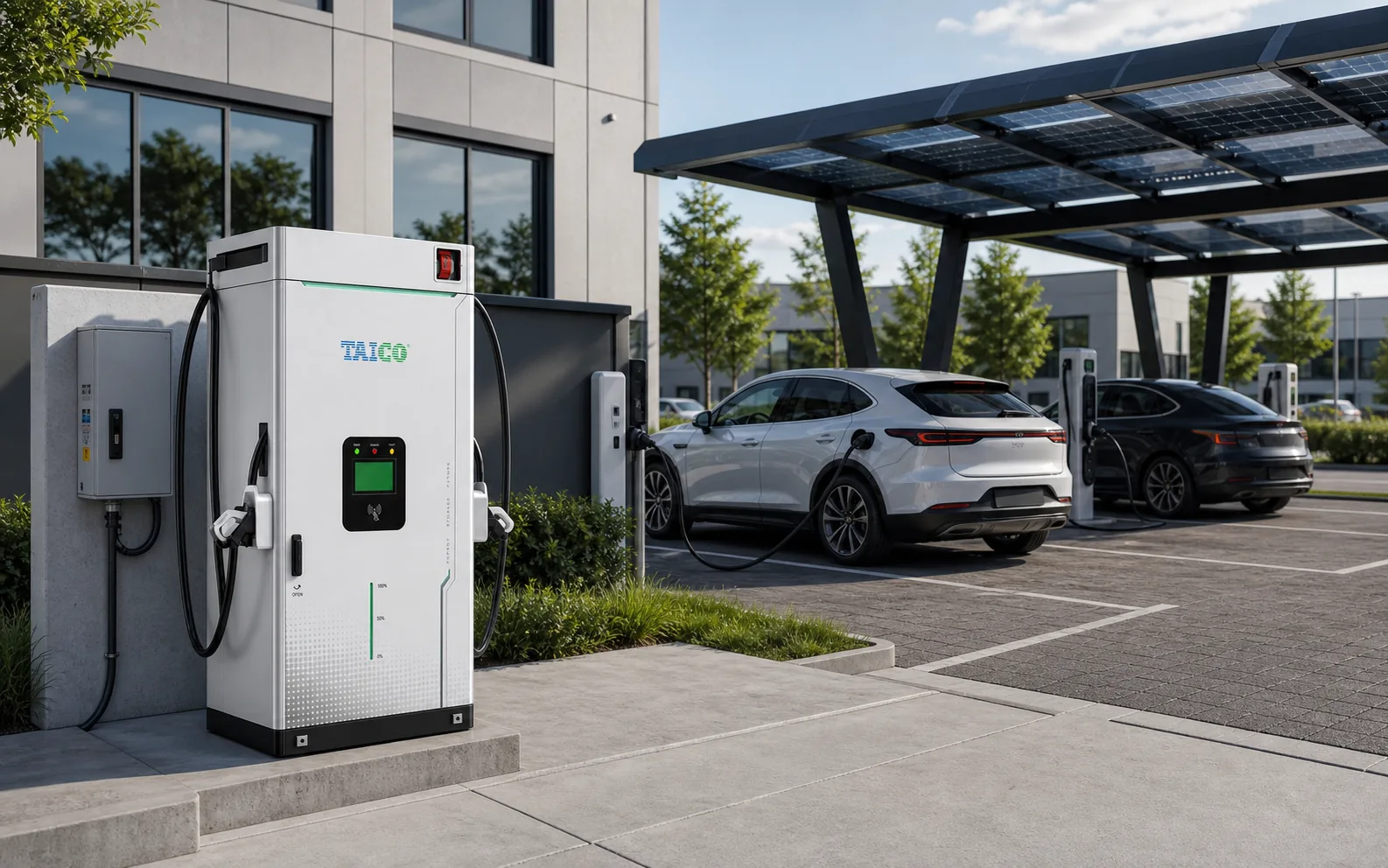
PV-ESS charging application context. Catalog product photography, not a customer project.
Operating constraints
- A charging site needs energy storage alongside DC charging
- Solar input may be part of the site energy design
- The available grid connection must be considered in the final configuration
Configuration path
- 01Review the site load, grid connection, and charging demand
- 02Determine whether PV input is required for the project
- 03Confirm the final station configuration and installation scope
Initial product match
Catalog-supported starting points
Initial match only. Final configuration depends on vehicles, daily energy demand, site supply, and deployment requirements.
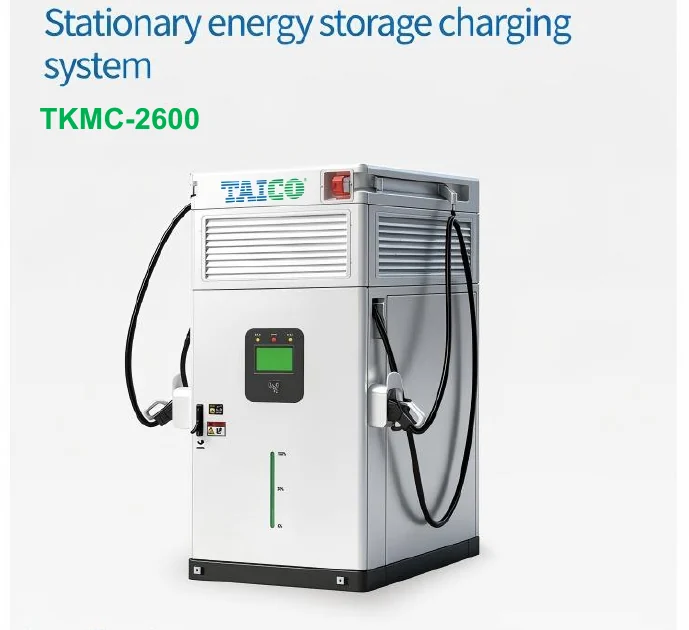
System diagram
PV-Storage Charging Station / Grid Complementary System
FAQ
PV-Storage Charging Station / Grid Complementary System frequently asked questions.
How do stationary PV-ESS systems help on a limited grid connection?
By utilizing integrated battery storage (200 kWh on TKMC-2000 or 261 kWh on TKMC-2600), the station buffers power and delivers up to 120 kW fast charging while drawing from lower-capacity AC grid connections or solar PV.
What solar input options are supported on stationary charging stations?
Both the TKMC-2000 and TKMC-2600 list optional Solar PV-IN in addition to their AC three-phase recharge capabilities.
Related products and resources
Continue with the catalog.
Other solutions
Roadside EV Rescue
Bring charging capability to the vehicle when fixed charging infrastructure cannot reach it.
On-Demand Charging
Move charging capability to the vehicle instead of reserving a fixed bay.
AC Output / E-Generator
Combine mobile EV charging with AC output for E-Generator applications.
Engineering Power Supply
Use mobile energy storage charging for engineering power supply applications.
PV Storage Charger
Use mobile energy storage charging for PV-storage charging applications.
Signal · Request
Discuss PV-Storage Charging Station / Grid Complementary System
Share your site constraints, vehicle mix, and deployment timeline. We will map a mobile energy solution.