Buyer guide
Mobile EV Charger Buyer’s Guide: How to Choose a System
A practical buyer's guide to mobile EV charging formats, energy and power requirements, connectors, deployment conditions, and project qualification.
 TAICO EVBeyond the Grid
Solution 02 · Flexible service
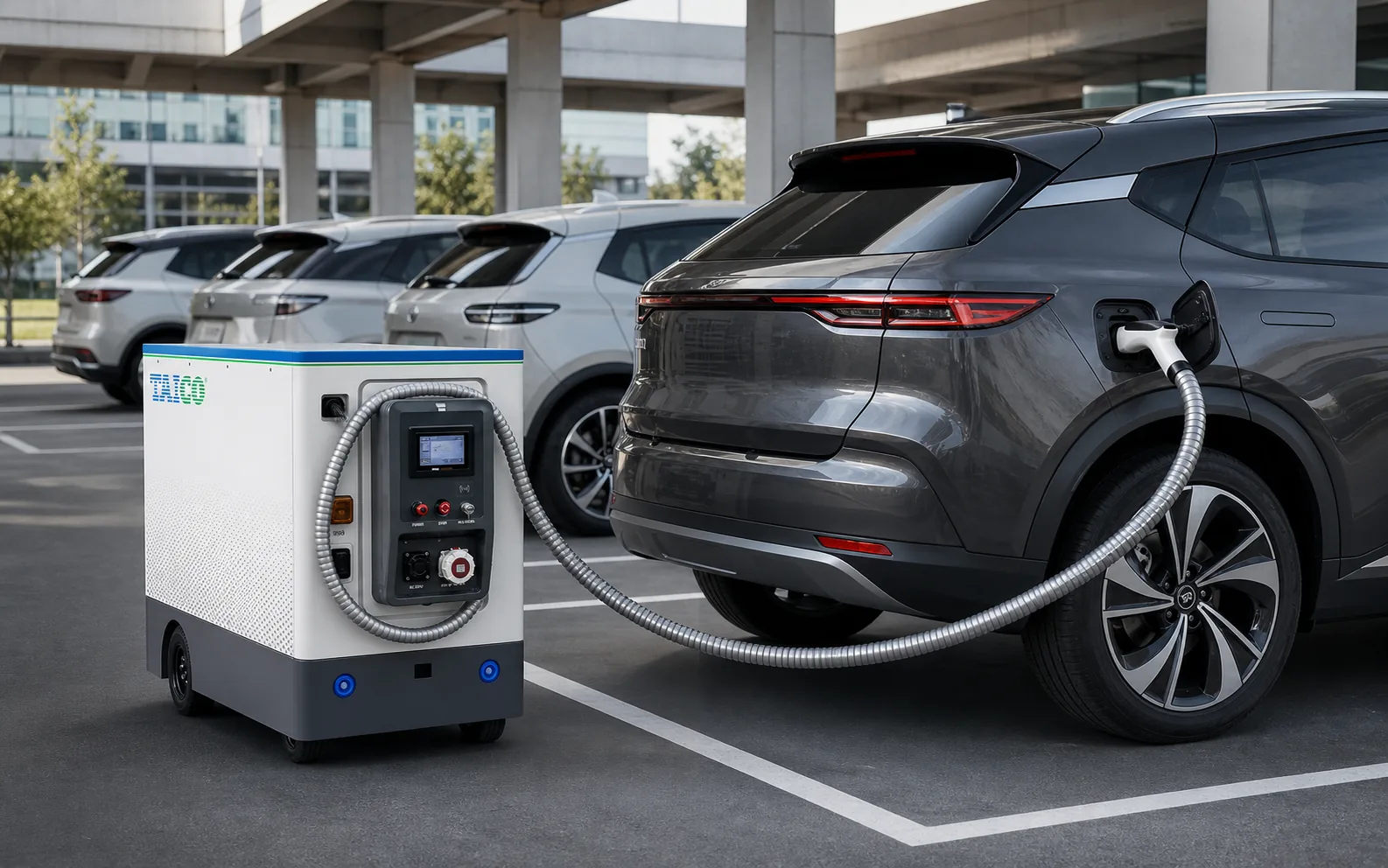
On-demand charging application context. Catalog product photography, not a customer project.
Operating constraints
Configuration path
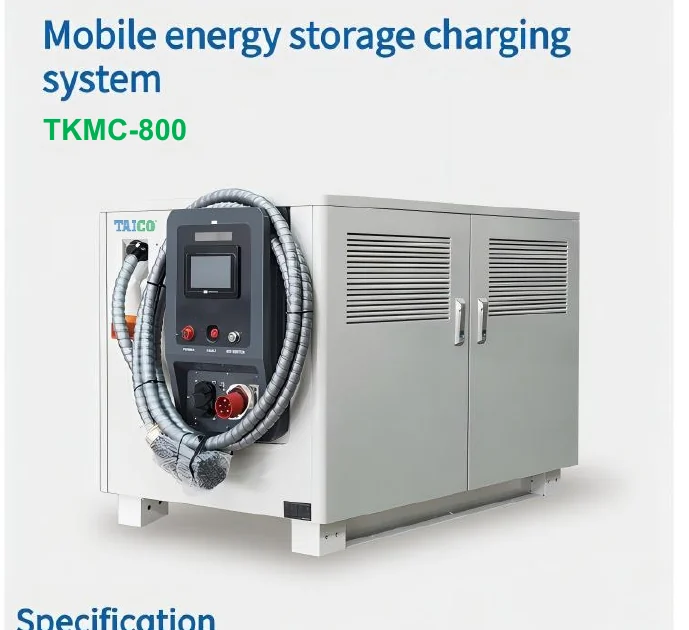
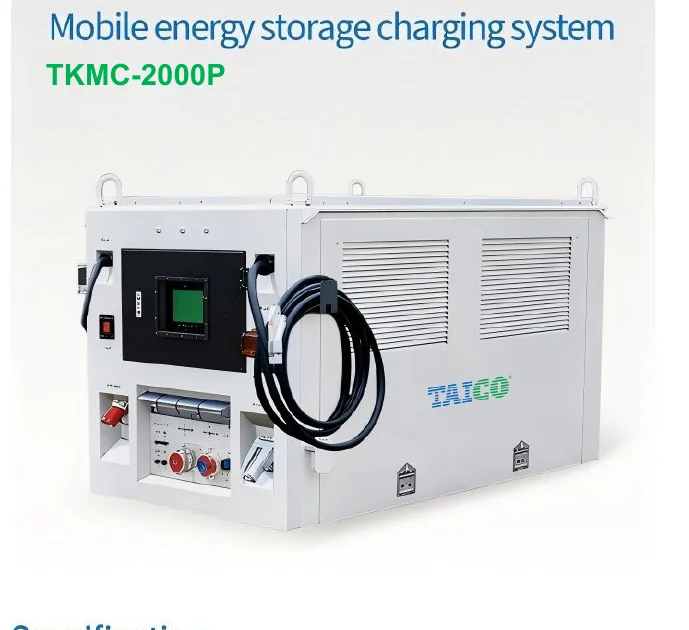
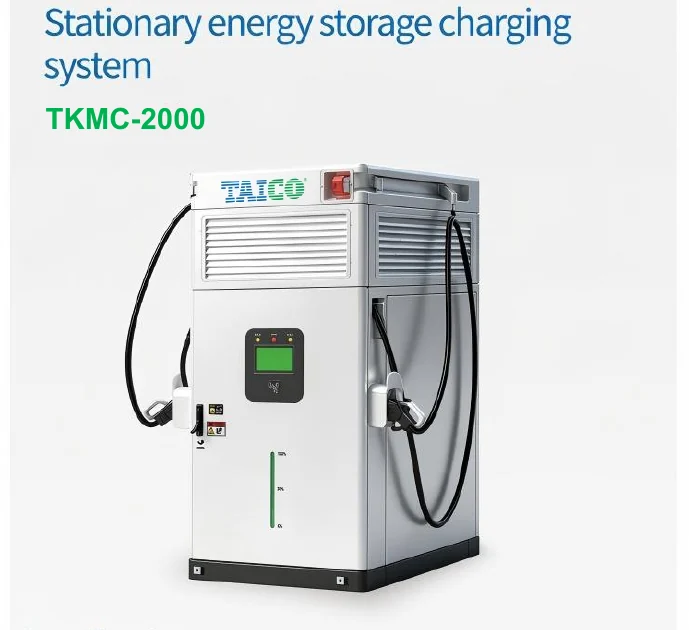
Initial product match
Initial match only. Final configuration depends on vehicles, daily energy demand, site supply, and deployment requirements.
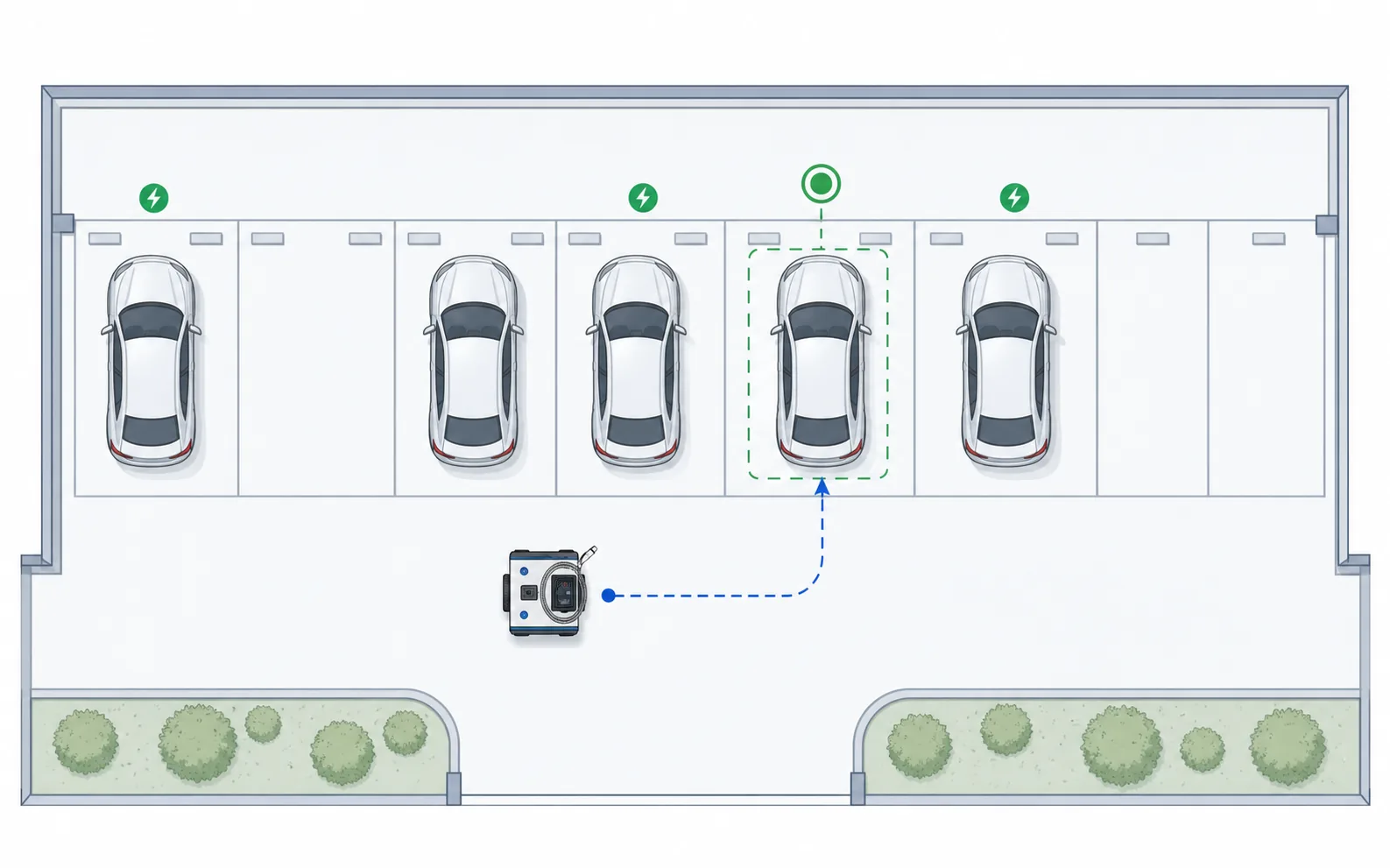
System diagram
FAQ
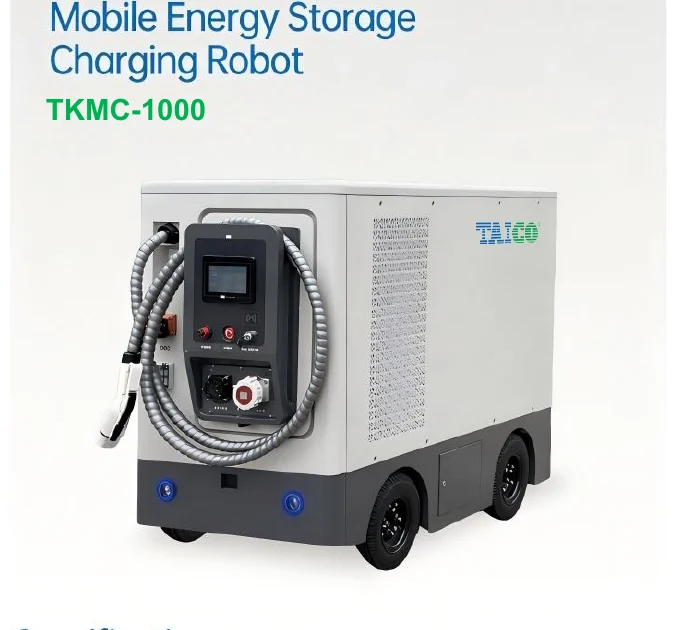
The TKMC-1000 features rear-wheel electric drive, electronic parking brake (EPB), and remote control via CAN 2.0B communication with a 2.5 m minimum turning radius.
The published catalog data lists 90 kW DC fast charging output with 100 kWh of battery storage capacity.
The TKMC-1000 lists GB/T / CCS1 / CCS2 / CHAdeMO support in the published product data, with a 5 m charging cable.
Related reading
Buyer guide
A practical buyer's guide to mobile EV charging formats, energy and power requirements, connectors, deployment conditions, and project qualification.
Other solutions
Bring charging capability to the vehicle when fixed charging infrastructure cannot reach it.
Combine mobile EV charging with AC output for E-Generator applications.
Use mobile energy storage charging for engineering power supply applications.
Use mobile energy storage charging for PV-storage charging applications.
Build charging capacity around energy storage, solar input, and the available grid connection.
Signal · Request
Share your site constraints, vehicle mix, and deployment timeline. We will map a mobile energy solution.