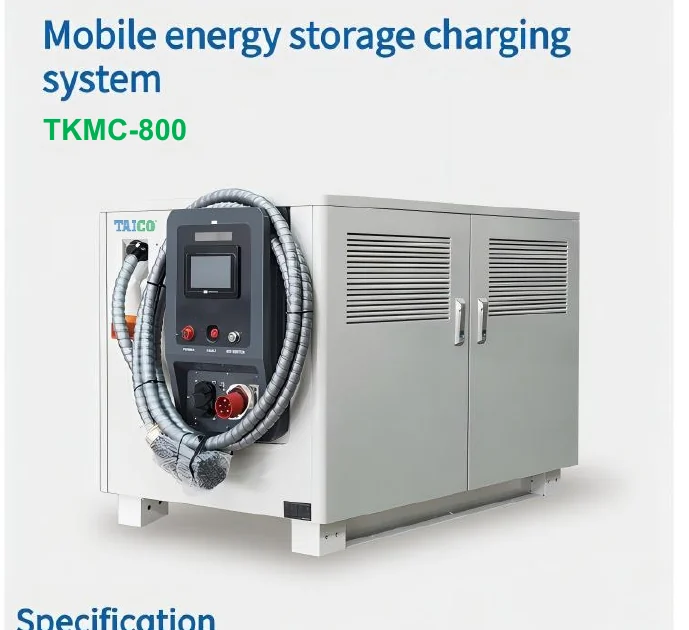
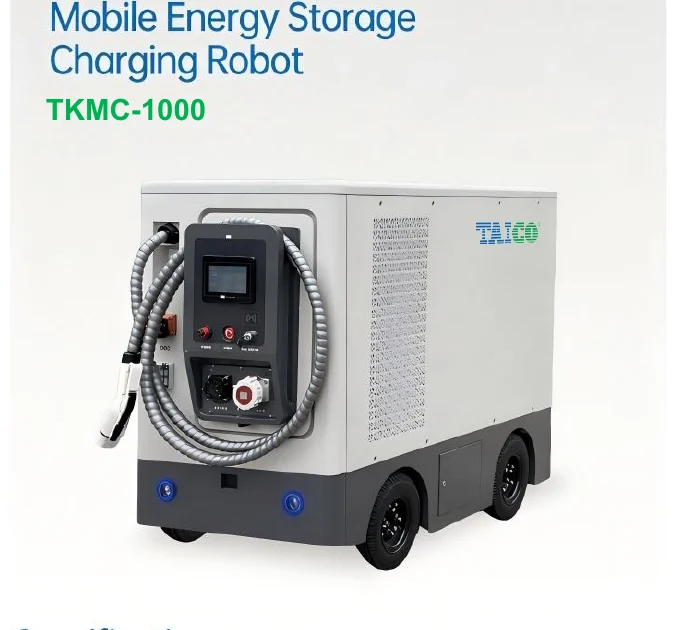
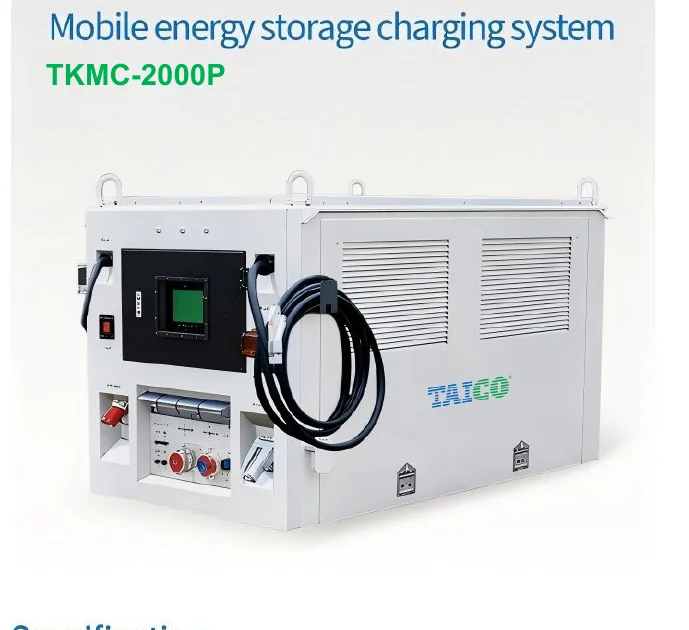
Capacity
200–261 kWh
 TAICO EVBeyond the Grid
Published range
Capacity
200–261 kWh
Output power
120 kW
Voltage
DC 200–1000 V
Connector
GB/T ×2 (CCS1 / CCS2 / CHAdeMO)
Family overview
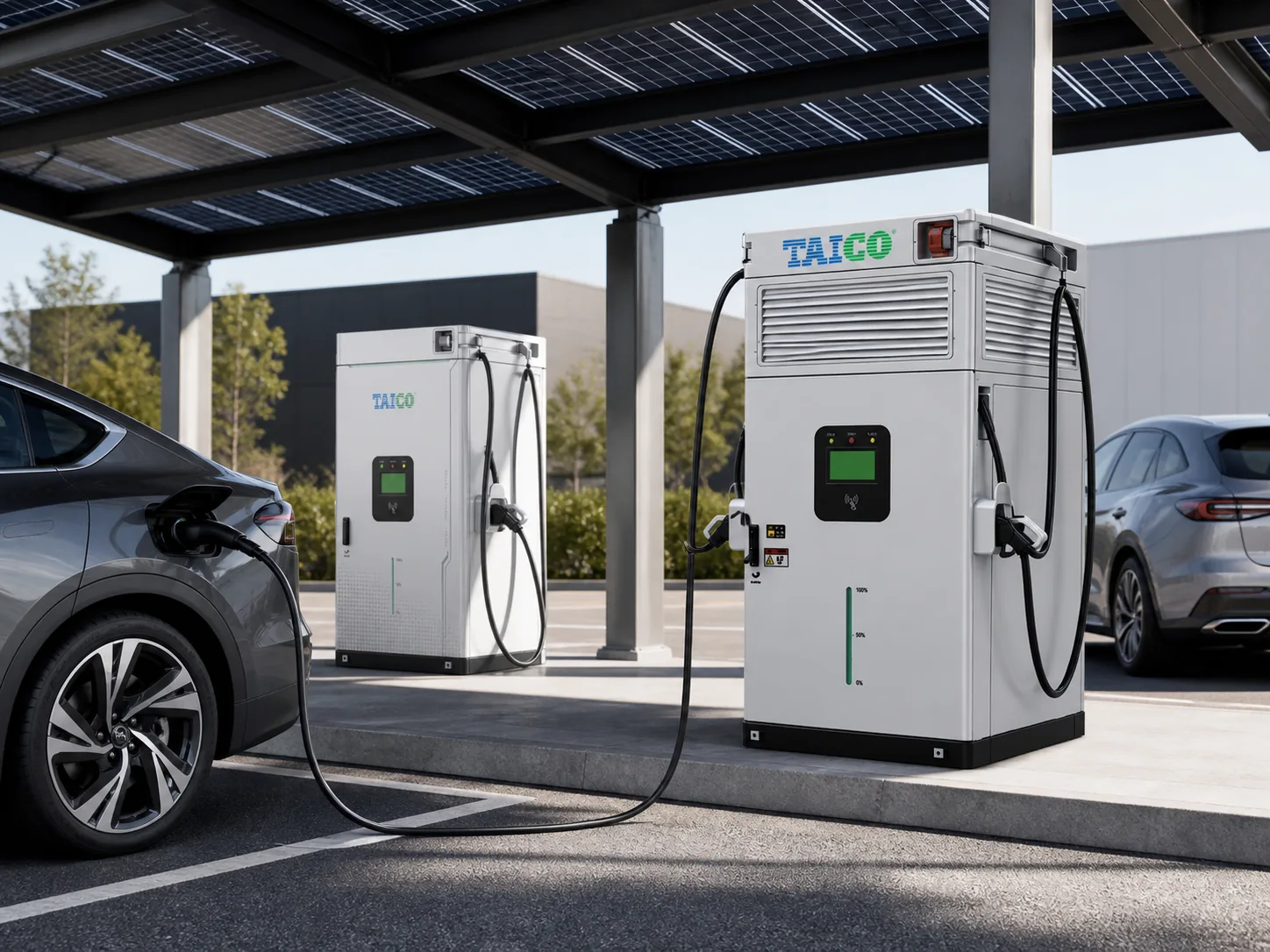
Stationary EV charging systems are fixed energy storage charging units. Published catalog applications are PV-storage charging stations and grid-complementary systems, with AC three-phase recharge and optional solar PV-IN. Select battery capacity for the energy demand between recharge periods. Check DC output power separately against the target vehicles and charging schedule.
Choose a stationary system for a planned charging location. Review site demand, grid supply, and optional solar input.
Plan a PV-ESS charging station →Choose mobile equipment to bring charging to vehicles. Confirm transport, site access, and recharge arrangements.
Compare mobile charging systems →Use cases
Start with TKMC-2000 when a site needs stationary energy storage charging around the available grid connection.
View PV-Storage Charging Station / Grid Complementary System →Review TKMC-2600 when the same stationary format needs the higher published capacity.
View PV-Storage Charging Station / Grid Complementary System →How to choose
01
Compare published battery capacities against energy demand between recharge periods. Published capacity is not a guarantee of energy delivered to vehicles; allow for operating reserves and conversion losses.
02
Both published models list AC three-phase recharge and optional solar PV-IN. Confirm whether PV input is required for the project.
03
Choose this family for stationary installation. Mobile charging, robot, and mobile power families cover transported or self-propelled formats.
04
Both published models list GB/T ×2 with CCS1, CCS2, and CHAdeMO options. Confirm the project connector configuration before quotation.
Product comparison
Compare stored energy, DC output, and recharge input separately. Output power is not a per-connector guarantee. Confirm power allocation and the target EV before quotation. On small screens, scroll the table sideways to see both models.
| Specification | TKMC-2000 | TKMC-2600 |
|---|---|---|
| Battery capacity | 200 kWh | 261 kWh |
| DC output power | 120 kW | 120 kW |
| AC recharge input | AC 3-phase / 30 kW | AC 3-phase / 40 kW |
| Solar input | Solar PV-IN (optional) | Solar PV-IN (optional) |
| Charging gun | GB/T ×2 (CCS1 / CCS2 / CHAdeMO) | GB/T ×2 (CCS1 / CCS2 / CHAdeMO) |
| Charge mode | Single-player / OCPP 1.6J | OCPP 1.6J / touching |
| Size | 1300 × 1100 × 2077 mm | 1300 × 1100 × 2077 mm |
| Weight | ≈2161 kg | ≈2365 kg |
Source: TAICO MC 2026 Catalog v1.3, page 10 (TKMC-2000); v1.3, page 11 (TKMC-2600). Solar input is optional. Confirm the final configuration for the site.
Starting points
PV-storage charging station
Start with TKMC-2000 when a site needs stationary energy storage charging around the available grid connection.
TKMC-2000200 kWh · 120 kWRelated solution →Higher-capacity stationary deployment
Review TKMC-2600 when the same stationary format needs the higher published capacity.
TKMC-2600261 kWh · 120 kWRelated solution →Products in this family
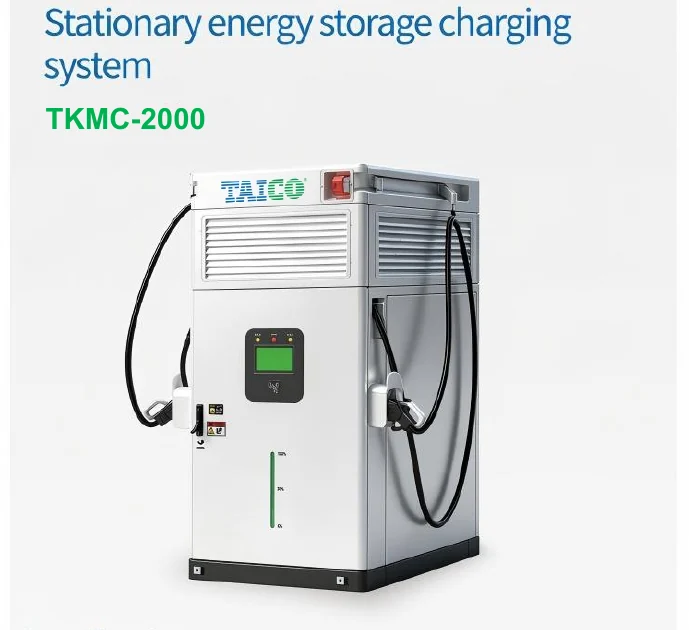
TKMC-2000
Stationary 200 kWh / 120 kW battery energy storage charging cabinet with 30 kW AC recharge and optional solar PV-IN for grid-complementary EV charging sites.
200 kWh · 120 kW
View specifications →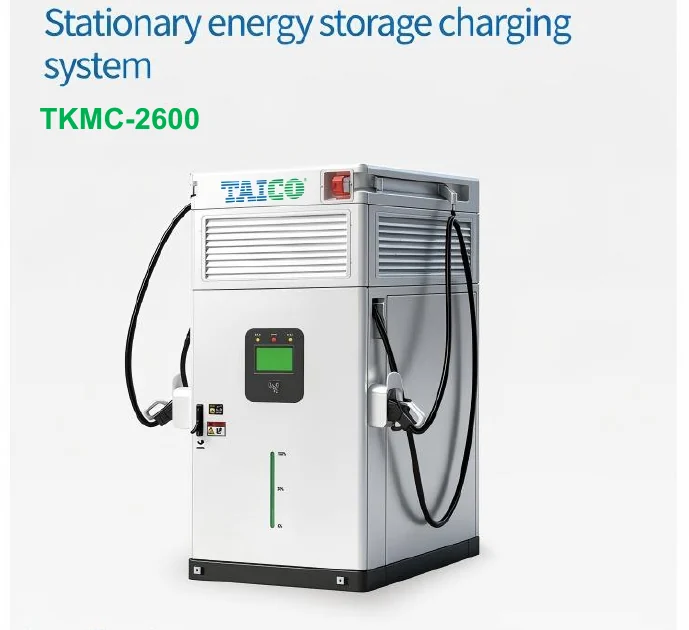
TKMC-2600
High-capacity 261 kWh / 120 kW stationary energy storage charging system with 40 kW AC recharge and optional solar PV-IN for PV-ESS charging hubs.
261 kWh · 120 kW
View specifications →Related knowledge
Buyer guide
A practical buyer's guide to mobile EV charging formats, energy and power requirements, connectors, deployment conditions, and project qualification.
Technical explainer
Understand the difference between charging power and stored energy, and why both values matter when specifying a mobile EV charging system.
FAQ
Stationary EV charging serves vehicles at a fixed site. This product family combines battery energy storage with DC charging. The catalog lists PV-storage charging stations and grid-complementary systems as its applications.
TKMC-2000 has 200 kWh of battery capacity and 120 kW DC output. TKMC-2600 has 261 kWh and 120 kW DC output. Compare the AC recharge inputs in the table, then confirm grid connection, PV input, and installation scope. Higher battery capacity does not mean higher output power.
Choose stationary charging for a planned charging location. Choose transported mobile charging equipment when the service must bring stored energy to vehicles at different locations. Transport, site access, and recharge arrangements must match the operating plan.
Grid-complementary operation does not guarantee that a site can avoid a grid upgrade. Review the available supply, charging demand, recharge schedule, and installation requirements.
Provide the site location, available grid supply, daily charging energy demand, target vehicles, connector standard, charging schedule, and whether solar input is required. Confirm installation access and the operating plan with the project team.
Both models list optional solar PV-IN. Confirm the PV input configuration, grid connection and charging connector requirements before quotation.
Signal · Request
Share your site location, available grid supply, daily charging energy demand, target vehicles, connectors, and solar input needs. Request a model and site configuration review.