
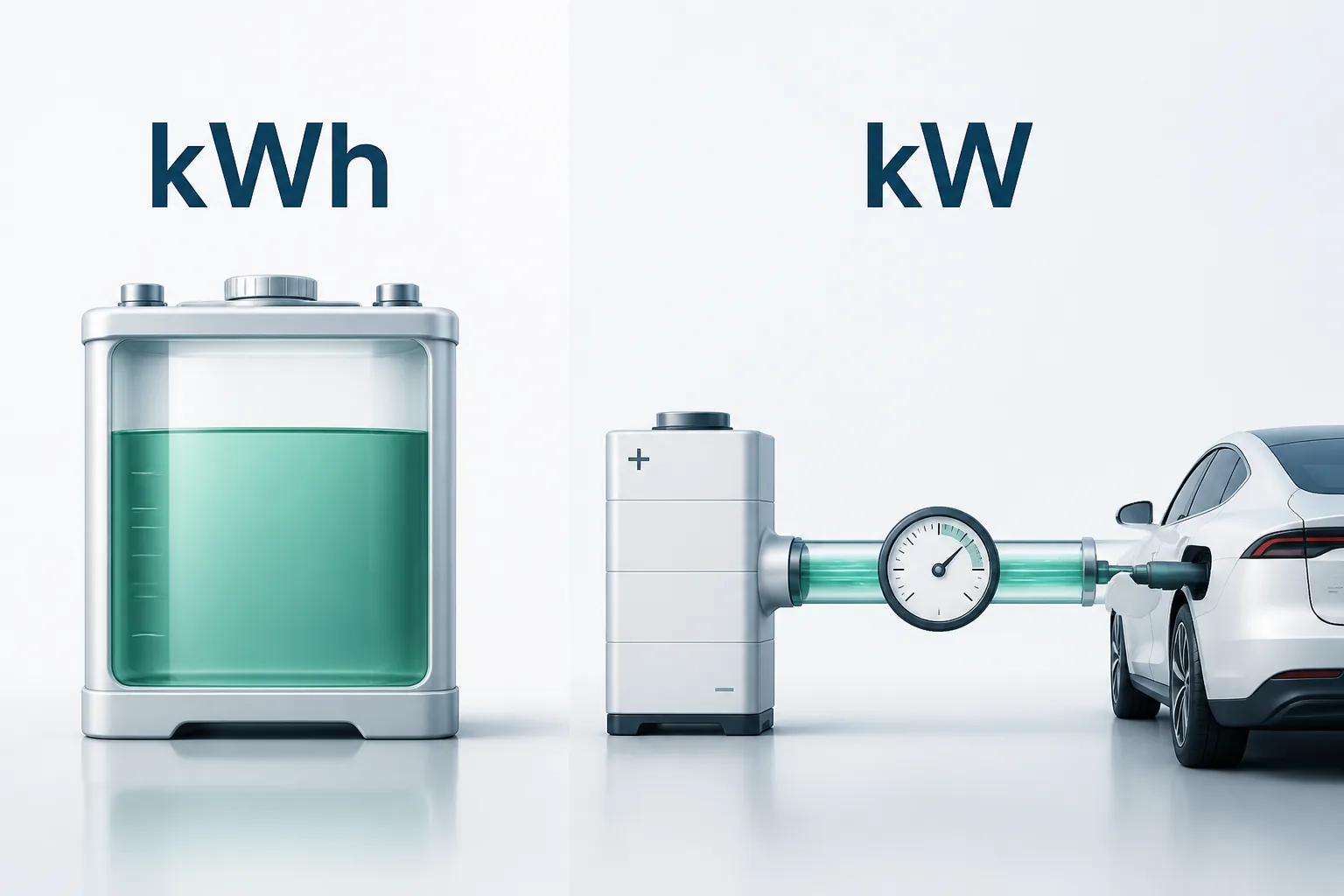
At a glance
Quick answer
kW describes the rate of power delivery; kWh describes stored energy. Use both to qualify a mobile charging service, but confirm the target EV and operating plan before promising a charging outcome.
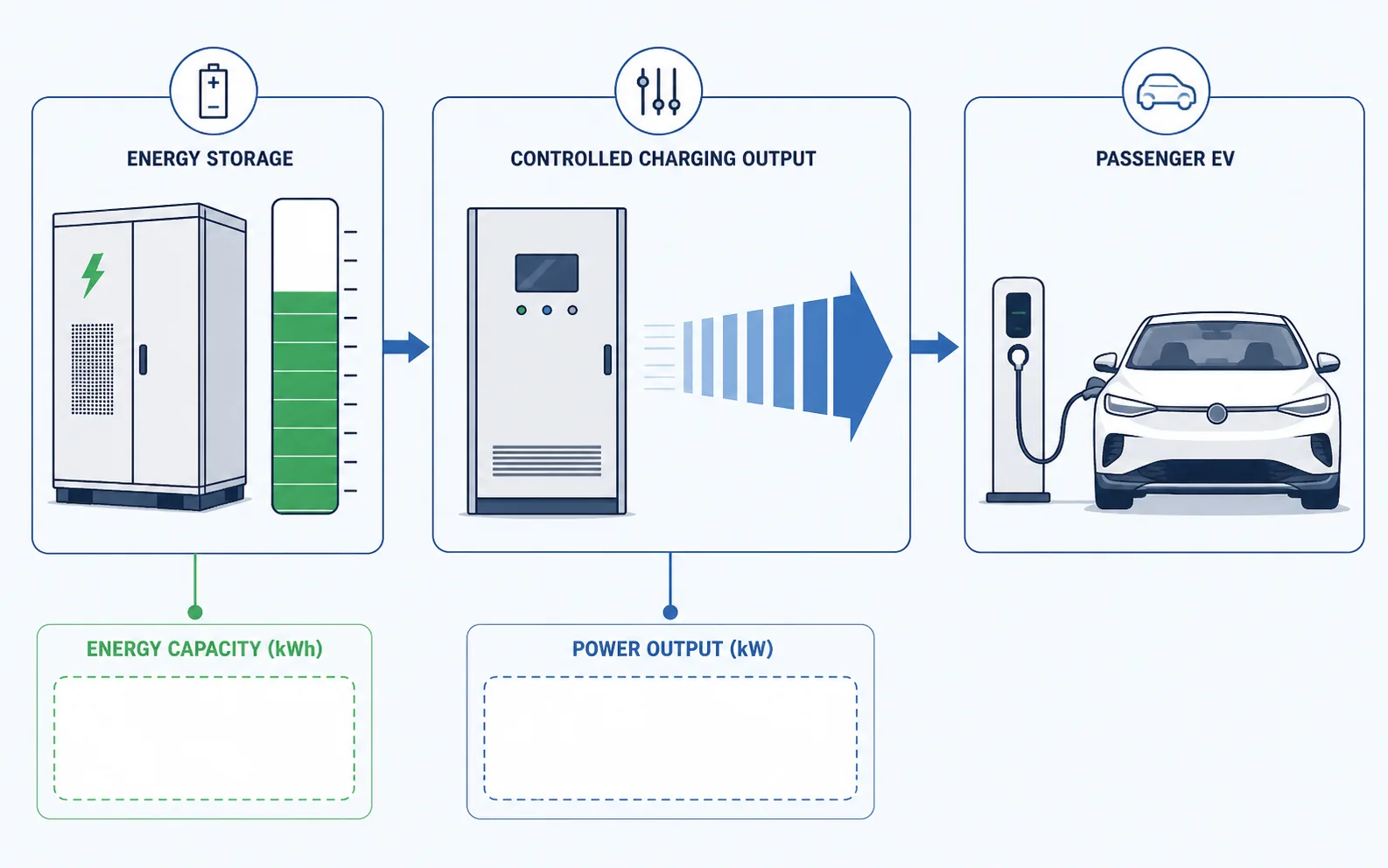
Two numbers appear repeatedly when comparing mobile EV charging systems: kilowatts and kilowatt-hours. They look similar, but they describe different parts of the system.
Understanding the distinction prevents two common mistakes: choosing a system only by its maximum output power, or treating stored energy as if it guaranteed a particular charging speed or driving range.
kW and kWh at a glance
| Buyer question | kW | kWh |
|---|---|---|
| What does it describe? | Rate of power delivery | Stored energy |
| What does it help qualify? | The output-power class for the charging service | The operating window before the mobile system must recharge |
| What does it not guarantee? | The actual charging rate accepted by every EV | The energy delivered to vehicles in every deployment |
When does kW matter for a mobile charging decision?
A kilowatt (kW) is a unit of power. In a charging system, it describes a rate of energy delivery.
If a product has a published DC output-power value, that value is part of the equipment specification. It is not, by itself, a promise that every connected EV will continuously accept that power. The receiving vehicle controls its charging behavior, and the available rate can change with battery state of charge, temperature, voltage, and other operating conditions.
Use kW to discuss questions such as:
- What output-power class is required for the service?
- What vehicles and voltage range must be considered?
- Does the connector and configured system support the intended charging path?
- Is the output suitable for the operational handoff the service is designed to provide?
When does kWh matter for the operating plan?
A kilowatt-hour (kWh) is a unit of energy. For a mobile energy-storage charging system, it describes stored battery energy in the published product data.
Use kWh to frame questions such as:
- How much stored energy is available before the mobile system needs to recharge?
- How many service events might the operating plan require?
- How much reserve should remain between deployments?
- What recharge source and schedule will restore the system?
The full published battery capacity should not automatically be treated as energy delivered to vehicles. System operation, conversion, reserve policies, environmental conditions, and project settings affect usable service energy.
Why should you avoid converting kW into a range promise?
It is tempting to combine a charger’s kW value with a short time period and convert the result into promised driving range. That shortcut hides several variables:
- Vehicle energy consumption differs by vehicle and route.
- Charging power can taper during a session.
- The vehicle may not accept the system’s maximum output.
- Temperature and battery condition can affect charging.
- Energy passes through more than one system before it reaches the road.
For that reason, a responsible specification states published equipment power and capacity, then confirms expected operation against the target vehicle and service workflow. It does not claim that every EV will gain the same distance in the same number of minutes.
How do you use kW and kWh together?
Power and energy should be evaluated as a pair.
A system with higher output power may support a faster operational handoff when the vehicle can accept it, but the service plan still needs enough stored energy for the expected deployments. A system with more stored energy may support a broader operating window, but that does not automatically make the charging session faster.
The basic relationship is:
Energy = Power × Time
This relationship is useful for planning, but real charging is not a perfectly constant laboratory load. Use it to frame requirements, not to publish a universal session result.
Which inputs should be ready before comparing models?
Prepare the following inputs:
- Target vehicle types and connector standards
- Intended service outcome for each charging response
- Expected number of responses per operating period
- Time available between responses
- Mobile-system recharge source and schedule
- Transport, mounting, access, and operating constraints
- Any AC-output or field-power requirement
With those inputs, the published specification table becomes useful. Without them, selecting the highest kW or kWh number is only guesswork.
How should catalog facts inform the shortlist?
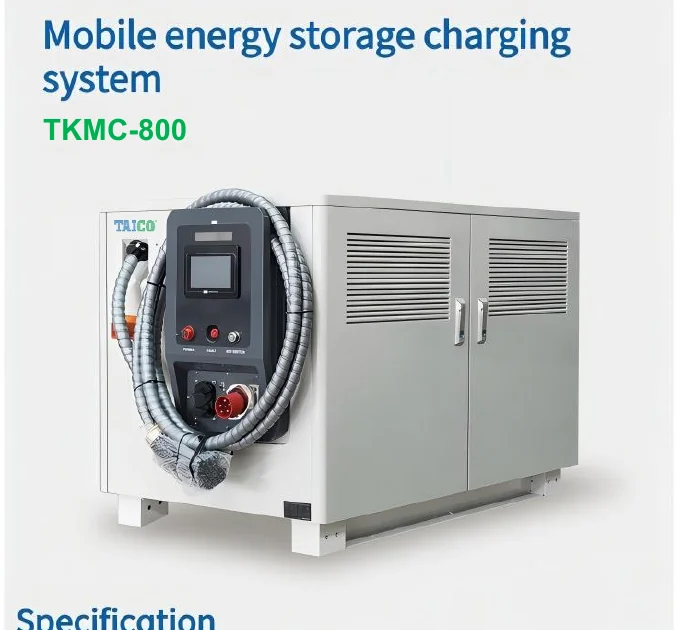
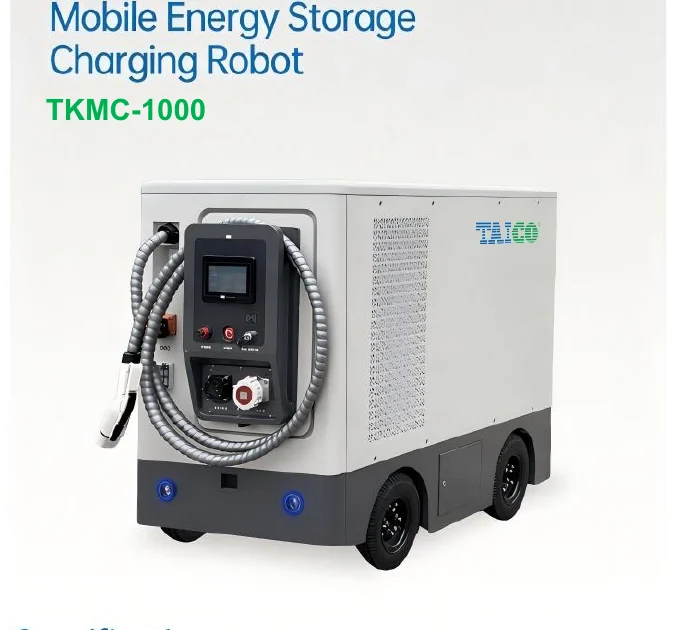
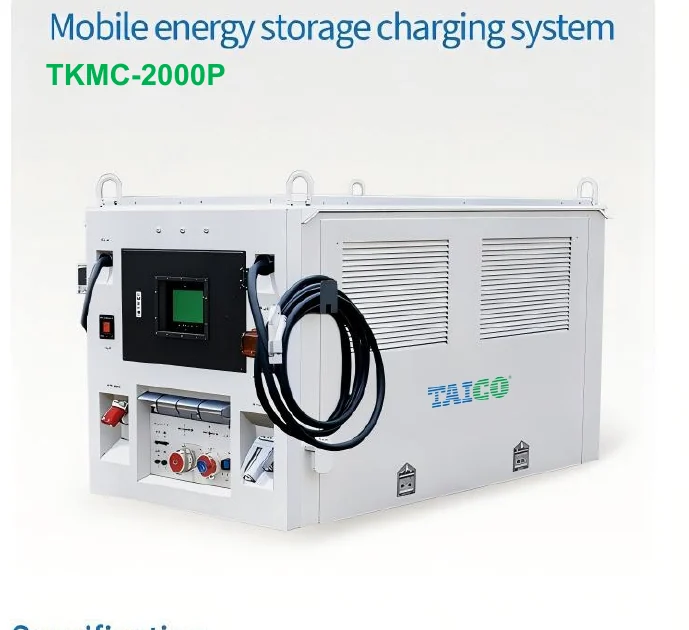
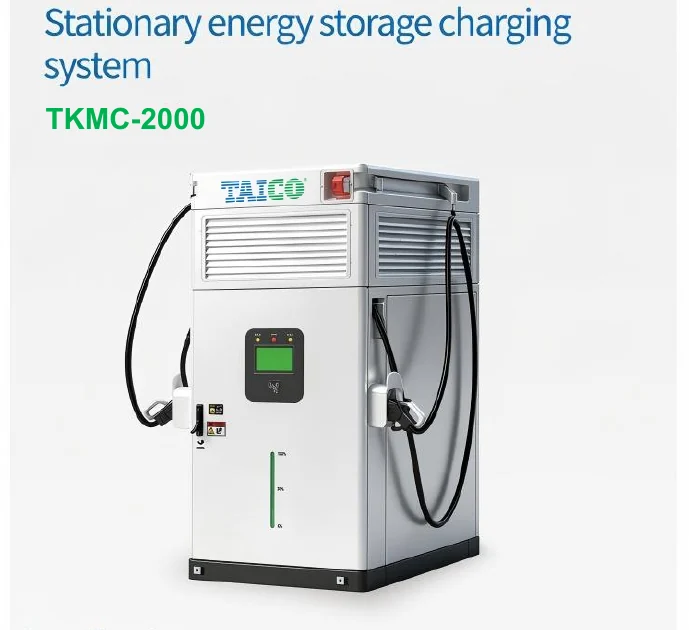
The product cards below are generated from the same catalog-backed data used across the TAICO EV website. Use them to establish a shortlist, then review the full product comparison.
If the requirement is specifically a changing roadside response location, continue with the roadside-rescue charging solution. If you are still deciding between equipment formats, begin with the mobile EV charging buyer’s guide.
Common mistakes when reading kW and kWh
- Comparing kW and kWh as if they described the same property.
- Multiplying a maximum output figure by time and publishing the result as a guaranteed session outcome.
- Treating full published capacity as energy delivered to vehicles without accounting for reserve and conversion requirements.
- Selecting a model from one number without checking the vehicle mix, connector, recharge plan, and deployment format.
FAQ
Frequently asked questions
Does higher kW guarantee faster charging?
No. The receiving EV and the configured charging path determine the actual session. Vehicle limits, battery state, temperature, voltage, connector, and other operating conditions can change the available rate.
Does higher kWh guarantee more usable service energy?
No. Published capacity describes stored energy in the system. Reserve policies, conversion, operating conditions, recharge planning, and project settings affect the energy available for a service workflow.