
At a glance
Quick answer
Start with the operating scenario, service pattern, vehicle and connector mix, recharge source, and deployment constraints. Then use published product data to create a shortlist and request a project-specific configuration review.
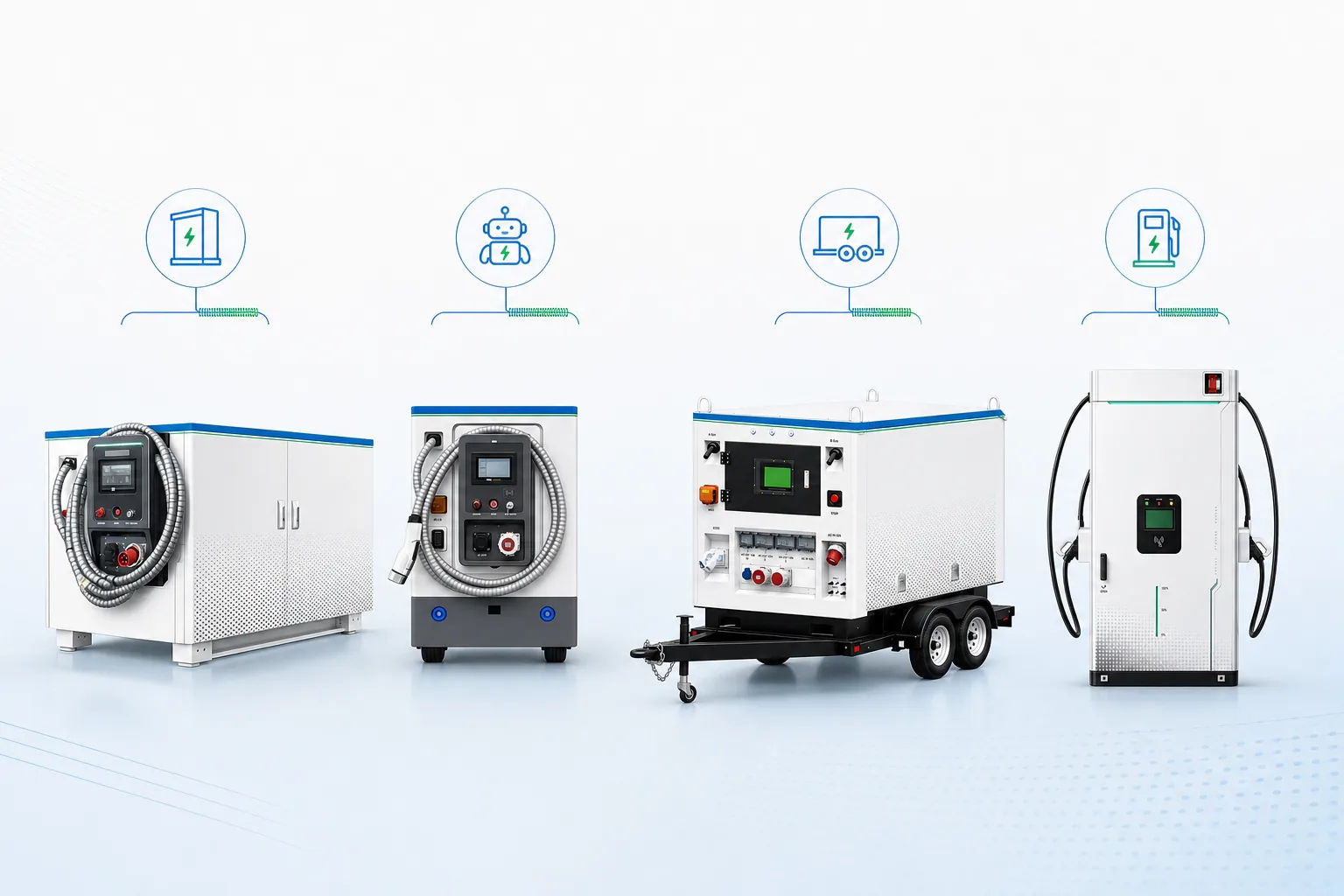
Mobile EV charging is not a single equipment category. It can describe a transported energy-storage charging system, a self-propelled charging robot, or a larger mobile power system that combines EV charging with other output requirements.
The right starting point is therefore not “Which model is biggest?” It is “What operating job must the system complete?” This guide turns that question into a practical qualification process for roadside assistance providers, charging-service operators, fleets, parking operators, and field-power teams.
Which operating scenario must the system support?
A useful equipment discussion begins with the location and workflow in which charging will happen.
For roadside rescue, the system must travel to a changing response location. The operator needs to understand the stranded vehicle, connector requirement, access conditions, and the intended handoff to a fixed charging location.
For on-demand charging in a depot or parking environment, movement inside the site can matter as much as transport between sites. Travel paths, turning space, grades, clearance, and safe operating procedures become part of the configuration.
For field deployment, EV charging may be only one part of the power requirement. If AC output or engineering power is also required, define those loads separately before choosing a system.
Do you need more stored energy, more output power, or both?
Battery capacity, expressed in kilowatt-hours (kWh), describes stored energy. Output power, expressed in kilowatts (kW), describes the rate at which the charging system can deliver energy under the configured operating conditions.
Both matter, but they answer different questions:
- Energy capacity helps frame how much service the mobile system can support before it must be recharged.
- Output power helps frame the charging rate available to a connected vehicle.
- The vehicle, state of charge, temperature, charging curve, connector, and system configuration can all affect the actual session.
Do not turn a published kW figure into a universal charging-time or driving-range promise. Those outcomes depend on the receiving vehicle and operating conditions. See kW vs. kWh in mobile EV charging for a more detailed explanation.
What service pattern should you qualify before choosing a model?
Before comparing products, document the expected service pattern:
- How many charging responses are expected in a normal operating period?
- What vehicle types and battery sizes are likely to be served?
- What minimum energy handoff is required for the service workflow?
- Where and how will the mobile system be recharged?
- How much time is available between deployments?
These questions are more useful than selecting a capacity from a catalog without an operating model. A higher-capacity system can support a different service pattern, but it also changes transport, packaging, weight, recharge, and integration requirements.
Which connectors and vehicles must the configuration serve?
Connector support must be checked against the target vehicles and the selected product configuration. Do not treat a list of available connector standards as a claim that every configuration supports every vehicle.
Create a simple vehicle-and-connector matrix for the intended market. Include the connector standard, expected vehicle voltage range, cable reach, and any operational constraints. Confirm the final combination during project review.
Which mobile charging format fits the deployment?
The catalog separates several useful formats:
Transported mobile charging systems
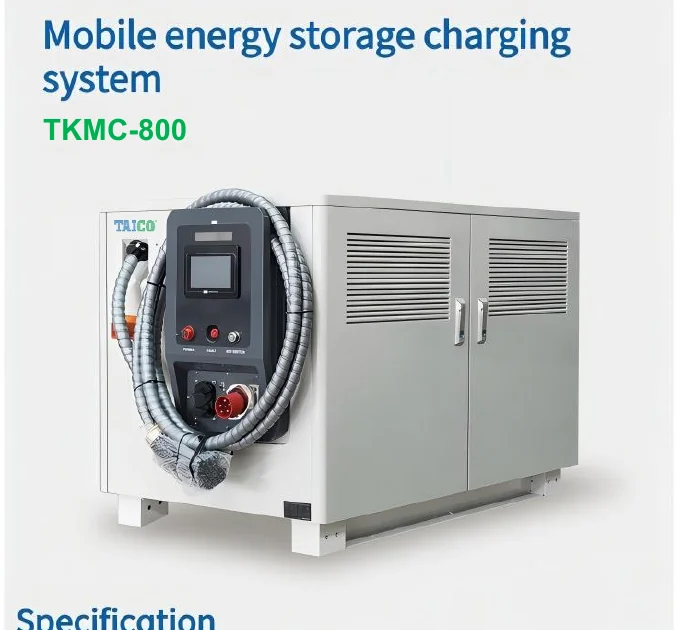
These systems are intended to carry energy and charging capability to the operating location. They are a natural starting point for mobile charger and roadside EV rescue discussions.
Self-propelled charging robots
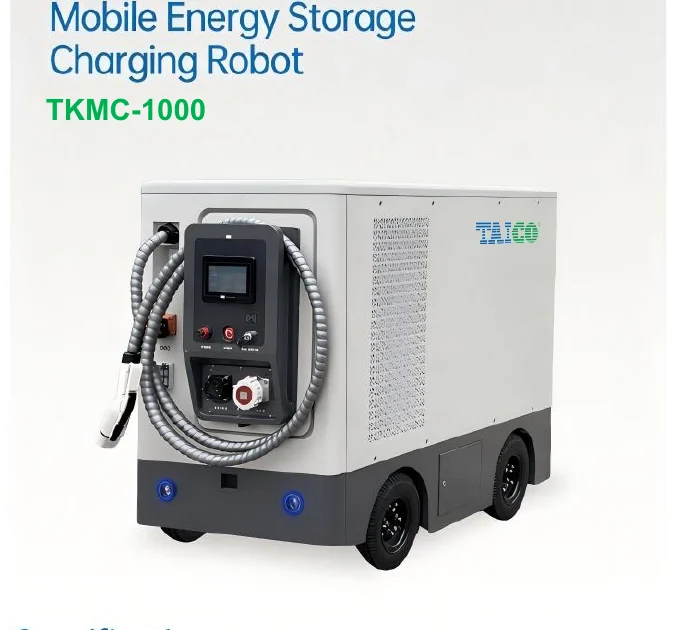
A self-propelled format can support on-demand charging where the unit needs to move within an operating site. Site layout and movement conditions must be reviewed alongside charging requirements.
Mobile power systems
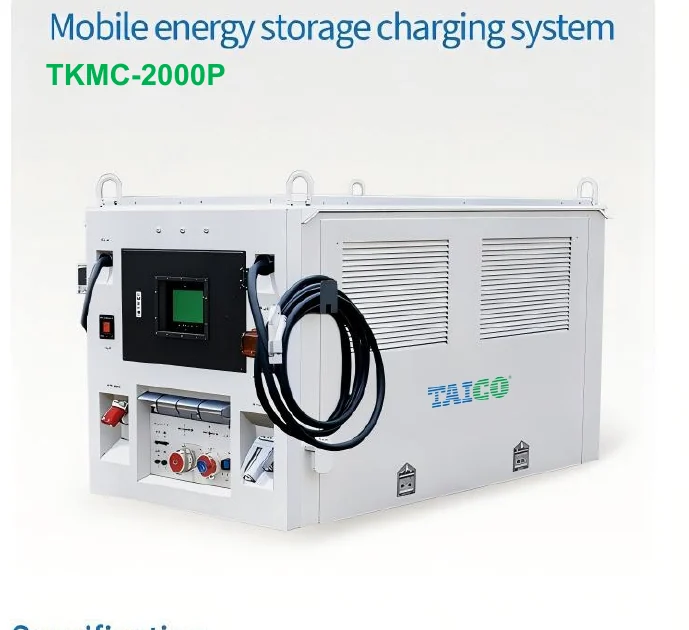
Larger mobile systems can combine mobile charging with AC-output or engineering-power requirements. They should not automatically be described as roadside-rescue products unless the published application data supports that use.
Stationary energy-storage charging systems
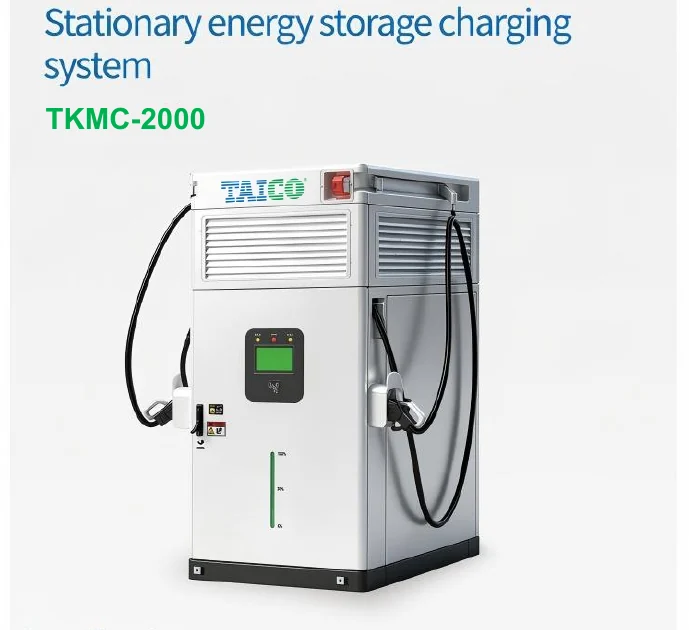
Stationary systems belong to a different decision path. They can support PV-storage charging and grid-complementary deployments, but they do not solve the same movement problem as mobile equipment.
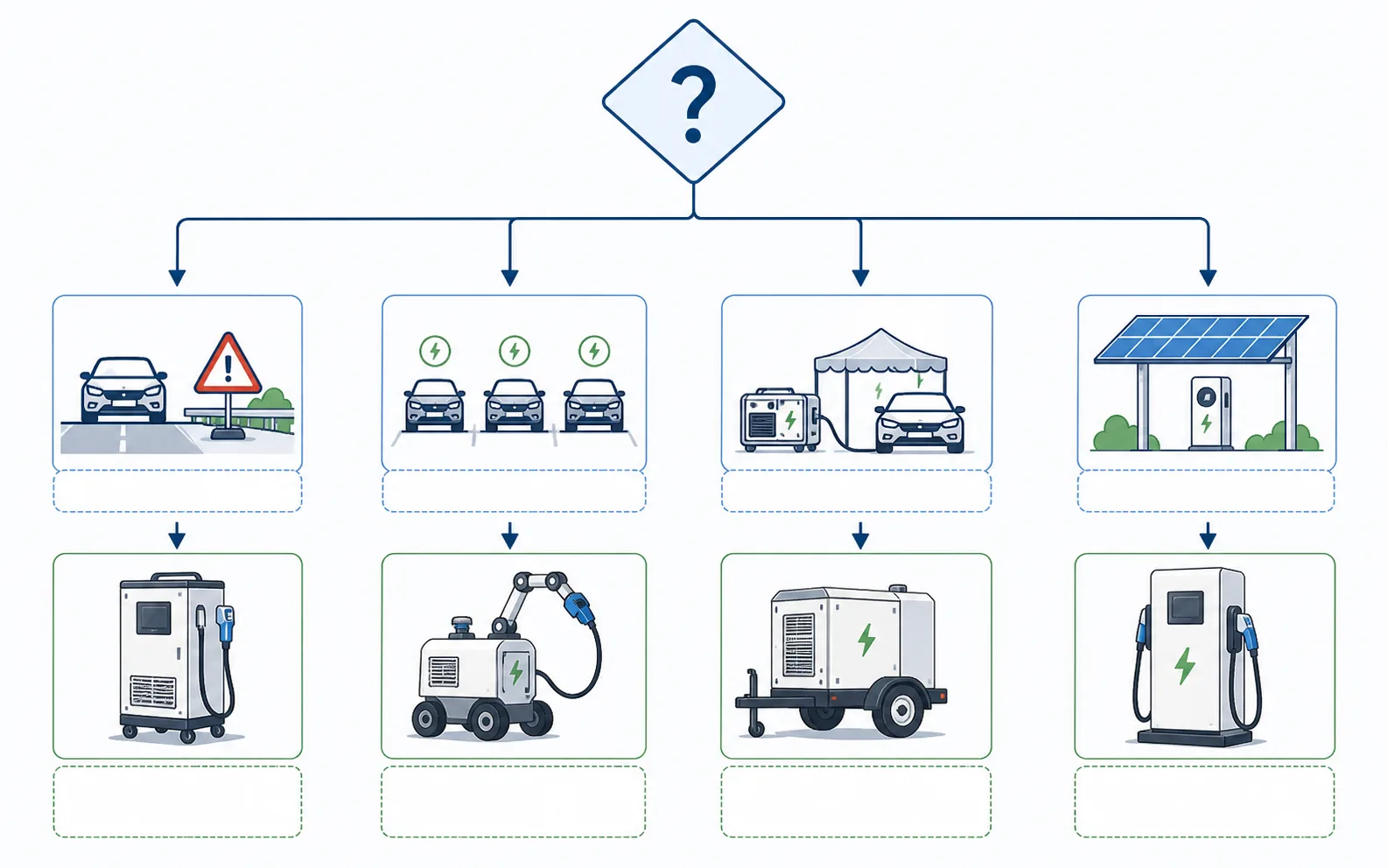
Format comparison at a glance
- Changing roadside response location: start with a transported mobile charging system and confirm vehicle, connector, access, and recharge requirements.
- Movement within a depot or parking site: evaluate a self-propelled charging robot alongside travel paths, turning space, grades, and clearance.
- Charging plus AC output or engineering power: review a mobile power system and define each output requirement separately.
- PV-storage charging at a planned site: evaluate a stationary energy-storage charging system and the available grid or solar input.
What site and operating constraints could change the shortlist?
The final equipment choice has to fit the real deployment, not just a specification table. Review:
- Transport vehicle, payload, mounting, and access requirements
- Operating space, grades, turning paths, and clearance
- Cable reach and connector handling
- Ambient conditions and the project’s applicable requirements
- Recharge source and recharge schedule
- Operator training and response procedure
- Communications or charging-management requirements
Some of these items are project engineering questions rather than published product claims. Record them early so the quotation and configuration review can address them explicitly.
How should you turn the requirements into a shortlist?
Use the TKMC product comparison to compare published capacity, output power, product format, and catalog applications. Then reduce the list based on the operating scenario rather than capacity alone.
For roadside deployment, begin with the Mobile EV Charger for Roadside Rescue solution and the models whose catalog applications include roadside EV rescue. For site-based on-demand service, review the charging-robot format. For combined charging and field power, review the relevant mobile-power systems.
Common mistakes when choosing mobile charging
- Choosing by capacity or output power alone without defining the service workflow.
- Treating a published connector list as universal compatibility with every EV.
- Ignoring transport, access, recharge, and operating-space requirements until after the shortlist is made.
- Turning catalog figures into unverified charging-time, range, safety, or commercial outcome claims.
What should be included in a configuration request?
Prepare the following project inputs before requesting a quotation or configuration review:
- Country or target market
- Operating scenario and service territory
- Target vehicle types and connector standards
- Expected responses or charging sessions per operating period
- Intended energy handoff or service outcome
- Available recharge source and turnaround time
- Transport, mounting, access, and operating-space requirements
- Any AC-output or field-power requirement
These inputs help the project team review the published catalog options without turning a specification into an unsupported operating promise.
FAQ
Frequently asked questions
Should I choose the highest-capacity mobile charger first?
No. Start with the expected service pattern, required energy handoff, recharge schedule, transport, connectors, and operating conditions. Use the published catalog data to compare the models that fit those requirements.
Does a connector list prove universal compatibility?
No. Connector support depends on the selected product and configuration. Confirm the target vehicle, connector standard, voltage range, cable reach, and project operating procedure before quotation.