
At a glance
Quick answer
Use mobile EV charging when the vehicle can enter a charging session, the connector and roadside location can be verified, and the intended outcome is a defined energy handoff. Choose towing or recovery when the vehicle cannot charge or the location cannot support the approved operating procedure.
When an EV is stranded away from a fixed charging bay, a roadside operator may need to decide between an energy handoff and vehicle recovery. The decision depends on the vehicle condition, connector, response location, and service procedure. It should not be made from a product capacity number alone.
For roadside operators evaluating emergency EV charging equipment, this guide provides a practical comparison. It describes equipment qualification for a roadside operation; it does not offer consumer dispatch or promise a charging time, driving range, or successful session for every EV.
When is mobile EV charging the right path?
Mobile EV charging can be a suitable path when the operator can verify that the vehicle is able to enter a charging session, the selected connector and charging path match the vehicle, and the roadside location can support the approved procedure. The operation also needs a defined energy handoff and a destination or next action after the response.
The Emergency EV Charging Solutions for Roadside Rescue page explains the equipment procurement path and the catalog-backed starting points. Use it alongside the roadside EV charging workflow when shaping dispatch and operator checks.
Mobile EV charging vs. towing: a conditional comparison
| Decision question | Mobile EV charging | Towing or recovery |
|---|---|---|
| Can the vehicle enter a charging session? | Consider charging after the vehicle, connector, and charging path are verified. | Choose recovery when the vehicle cannot accept a session or has a condition requiring transport. |
| Can the location support the operation? | Review access, positioning, cable reach, traffic exposure, weather, and the approved procedure. | Choose recovery when the location or vehicle cannot support a controlled charging operation. |
| What outcome does the service need? | Define the energy handoff and the next fixed charging or recovery destination. | Define the recovery destination, transport requirements, and the next service action. |
| What must the equipment brief include? | Include vehicle mix, connectors, response volume, energy plan, transport, and recharge. | Include vehicle recovery method, access, destination, and transport constraints. |
Scroll horizontally to read the full comparison.
The comparison is a qualification aid. Final operating procedures remain the responsibility of the service operator and must match the selected equipment, vehicles, market, and roadside conditions.
What should dispatch capture before choosing a response?
Use a consistent intake record before sending either a charging unit or recovery vehicle:
- Vehicle make, model, and reported condition
- Location, access, traffic exposure, and available positioning space
- Connector type and any vehicle-side charging information available to the operator
- Reported battery state and the intended energy handoff or recovery outcome
- Whether the vehicle can remain at the location and enter a charging session
- Destination after the response and any time or service-policy constraints
- Equipment availability, transport approach, and next recharge opportunity
If the request cannot establish that a charging session is possible or that the roadside operation can be performed under the approved procedure, the dispatch plan should use the operator’s recovery path.
How should a buyer shortlist mobile charging equipment?
Start with the operating plan rather than the largest published number. Document the expected response volume, target energy handoff, reserve policy for the mobile storage system, connector mix, transport or mounting approach, recharge source, and turnaround time. Then compare the published product data for capacity, output power, voltage, current, dimensions, weight, cable length, and recharge path.
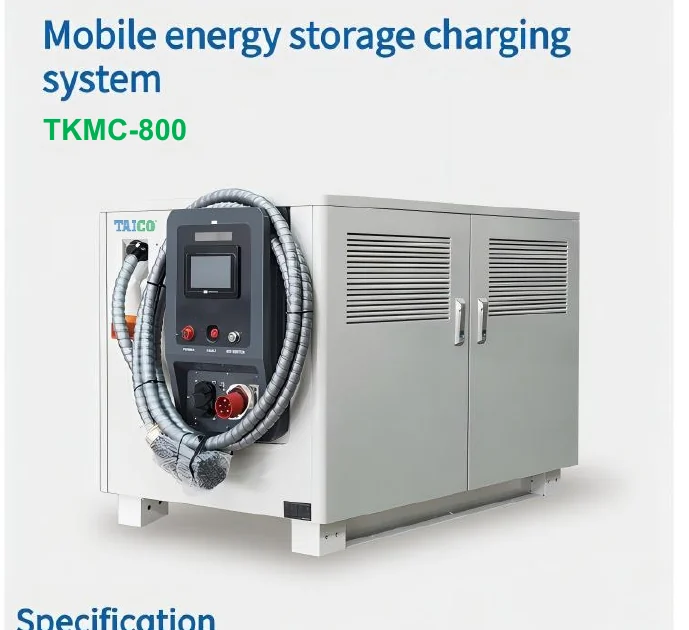
The TKMC-800 product page and TKMC-1500 product page are the catalog references for the models listed for Roadside EV Rescue. The TKMC product comparison provides a broader specification view. Product pages and the catalog remain the source of truth; final suitability requires a project-specific review.
For transport and quotation inputs, use the mobile EV chargers for tow trucks procurement checklist. For the difference between stored energy and delivery rate, read kW vs. kWh in mobile EV charging.
When is towing or recovery the better fit?
Towing or recovery is the better fit when the vehicle cannot enter a charging session, the vehicle condition requires transport, the roadside location cannot support the approved charging procedure, or the service outcome is to move the vehicle to a destination. Mobile charging should not be used to bypass those conditions.
The operator should record the reason for the selected path and retain the information needed for service review. That record helps the team improve dispatch qualification without turning one demonstration or one response into a universal performance claim.
Sources and next steps
- Emergency EV Charging Solutions for Roadside Rescue
- TKMC-800 product page
- TKMC-1500 product page
- Mobile EV Charger Buyer’s Guide
- How Roadside EV Charging Works: A 5-Step Rescue Workflow
FAQ
Frequently asked questions
Is mobile EV charging a replacement for towing?
No. Mobile EV charging and towing address different roadside conditions. Consider charging only when the vehicle can enter a session and the location supports the approved procedure; use towing or recovery when those conditions are not met.
What should a roadside operator check before dispatching a mobile charger?
Confirm the vehicle, connector, reported condition, access and positioning, intended energy handoff, equipment availability, and the next recharge opportunity. A dispatch record does not prove that a vehicle can accept a charging session.
Which TAICO EV equipment is listed for roadside EV rescue?
The TAICO EV catalog lists the TKMC-800 and TKMC-1500 for Roadside EV Rescue. Review their published product pages and confirm the vehicle, connector, transport, recharge, and operating requirements before quotation.