
At a glance
Quick answer
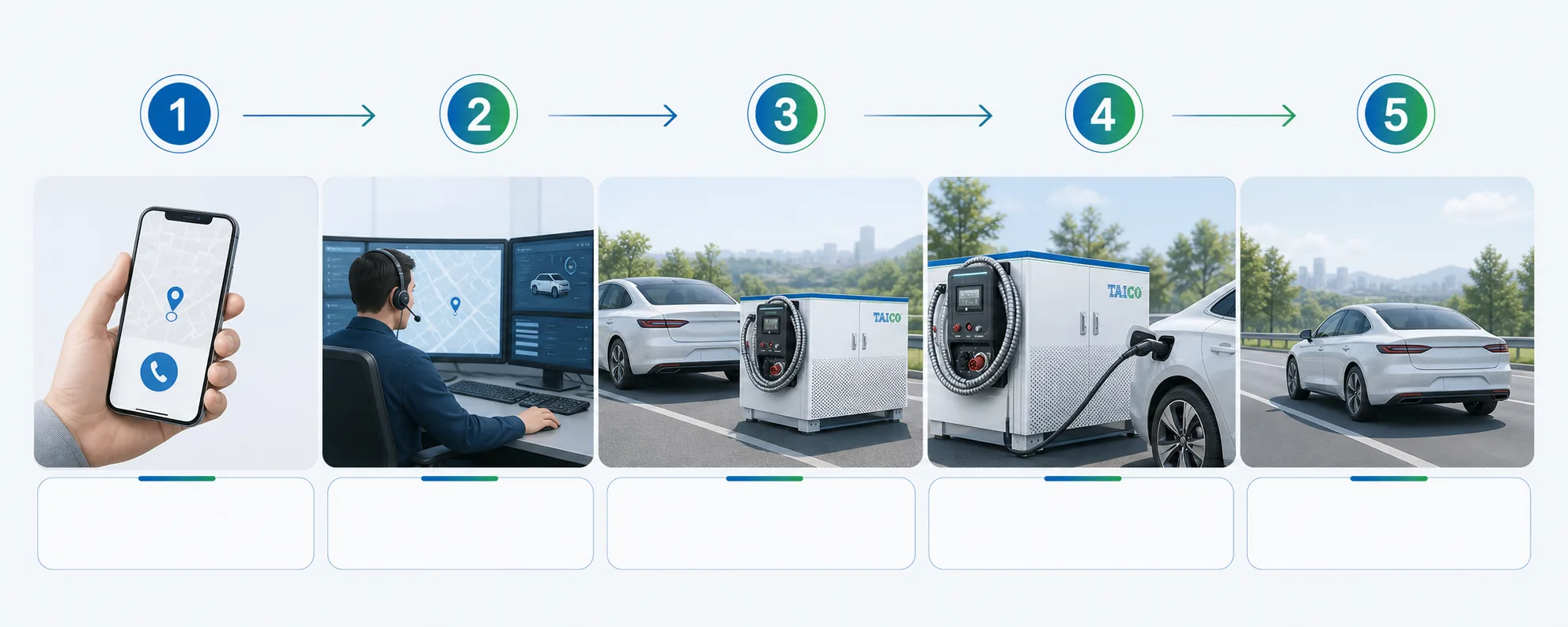
A roadside EV rescue workflow should qualify the request, dispatch a configured system, confirm the connection, deliver a defined energy handoff, and reset or recharge the unit. This is a planning framework, not a universal operating or safety procedure.
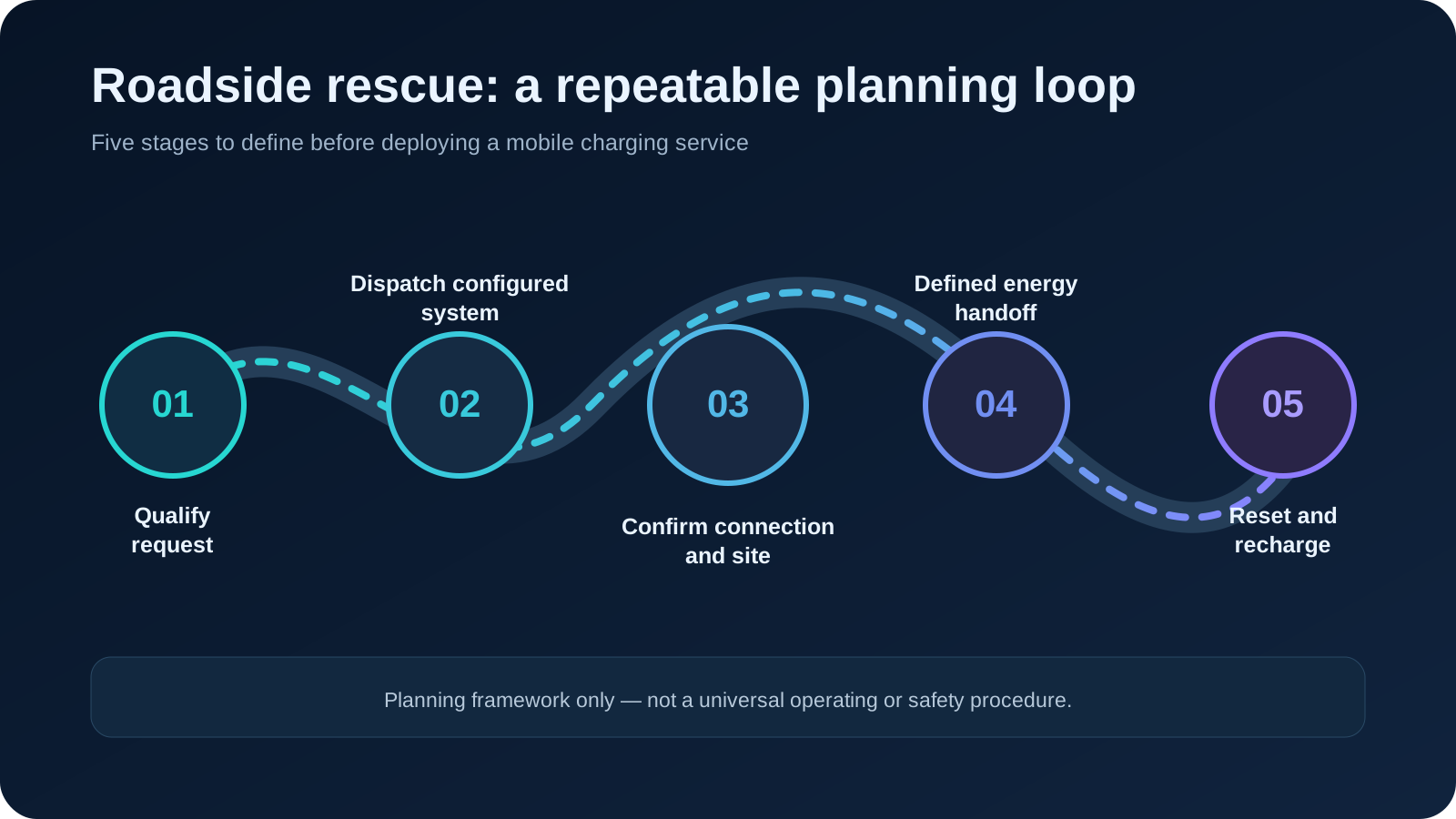
A mobile charger does not create a roadside-rescue service by itself. The service also needs dispatch information, a compatible connection, a safe operating procedure, a clear charging objective, and a handoff plan.
The following framework describes the workflow without pretending to be a customer case or a universal operating procedure. Final procedures must be developed for the selected equipment, vehicles, market, and roadside-assistance operation.
1. What should the rescue request capture?
The initial call should collect enough information to decide whether a mobile charging response is appropriate.
Useful inputs include:
- Vehicle make and model
- Vehicle location and access conditions
- Connector type
- Reported battery state and vehicle condition
- Whether the vehicle can enter a charging session
- Traffic, recovery, or site restrictions
- Intended destination after the charging response
The operator should distinguish an energy shortage from a vehicle fault. A mobile charger is not a substitute for recovery equipment when the vehicle cannot charge or cannot safely remain at the location.
2. What must dispatch confirm before departure?
The response vehicle must carry a system configured for the target connector and operating requirement. Dispatch planning should also consider route access, equipment transport, available stored energy, and the next opportunity to recharge the mobile system.
The system’s published capacity and output power help qualify the equipment, but they do not replace an operating plan. The response team needs a defined process for pre-departure checks, equipment status, cable management, and communication with the stranded driver.
3. How should the operator establish the charging connection?
At the scene, the operator confirms the vehicle identity, connector, physical condition, and positioning before connecting the charging system.
Connector availability depends on the selected product and configuration. A published list of connector standards should not be interpreted as universal compatibility with every EV. Confirm the vehicle-and-system combination during project configuration and include it in operator training.
The roadside location may also introduce risks unrelated to the charging equipment, including traffic exposure, restricted working space, weather, or unstable ground. These conditions belong in the service operator’s site-assessment and safety procedure.
4. What is the defined emergency-energy handoff?
The objective of a roadside charging response is normally operational: provide an agreed energy handoff so the vehicle can continue to an appropriate fixed charging or recovery location.
Avoid defining that handoff with an unsupported universal range or time promise. Actual charging behavior depends on the EV, battery state, temperature, voltage, connector, and configured equipment.
A better operating definition records:
- The target outcome for the response
- The session stop condition
- The maximum service time or energy policy set by the operator
- The destination or next action after disconnection
- The information recorded for service review
5. How does the team complete the handoff and reset the system?
After charging, the operator disconnects and secures the equipment according to the approved procedure. The vehicle either continues to the planned fixed charging location or follows the recovery path selected by the roadside-assistance team.
The mobile charging system then returns to service readiness. This can include checking remaining stored energy, scheduling recharge, inspecting cables and connectors, and recording the deployment.
What makes a roadside rescue service repeatable?
A commercial rescue operation needs more than a successful demonstration. It needs a repeatable response model.
A repeatable model defines intake and dispatch criteria, connection and site checks, the session stop condition, the handoff path, the system-reset procedure, and the service record retained after each response. Product selection then supports that operating model instead of replacing it.
Common mistakes in roadside rescue planning
- Dispatching before confirming the vehicle, connector, access, and charging-session conditions.
- Treating a connector list as universal compatibility with every EV.
- Defining success with an unsupported charging-time or driving-range promise.
- Treating a demonstration or single deployment as a validated operating procedure.
What should be included in a configuration request?
Prepare the following inputs for a project-specific review:
- Service territory and typical response conditions
- Target vehicle types and connector standards
- Expected calls per operating period
- Intended emergency-energy handoff
- Mobile-system recharge source and turnaround time
- Transport or mounting approach
- Operator procedure and training responsibility
- Charging-management or data requirements
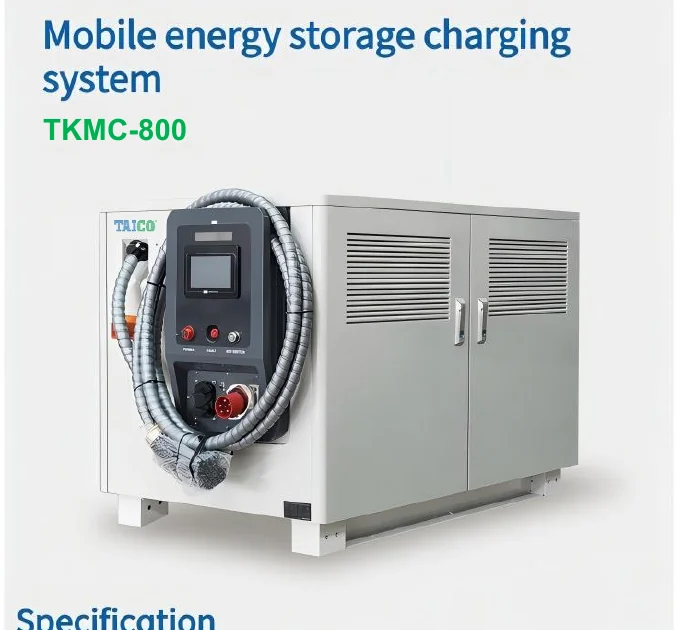
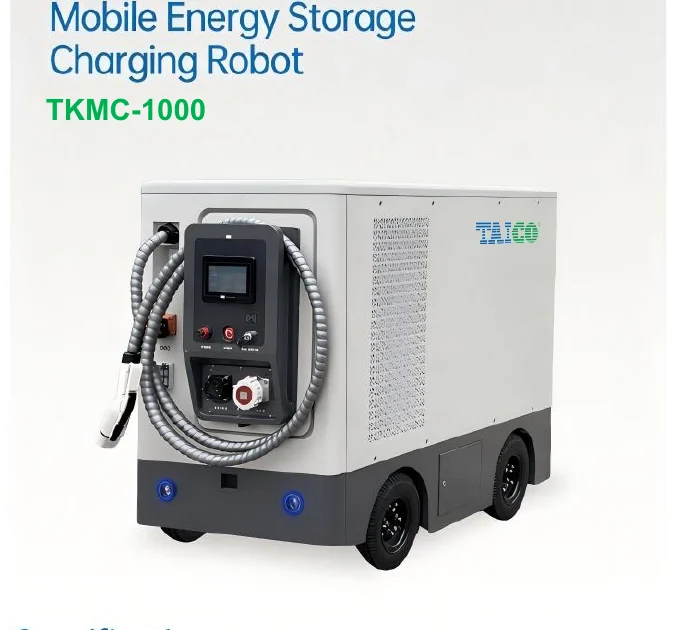
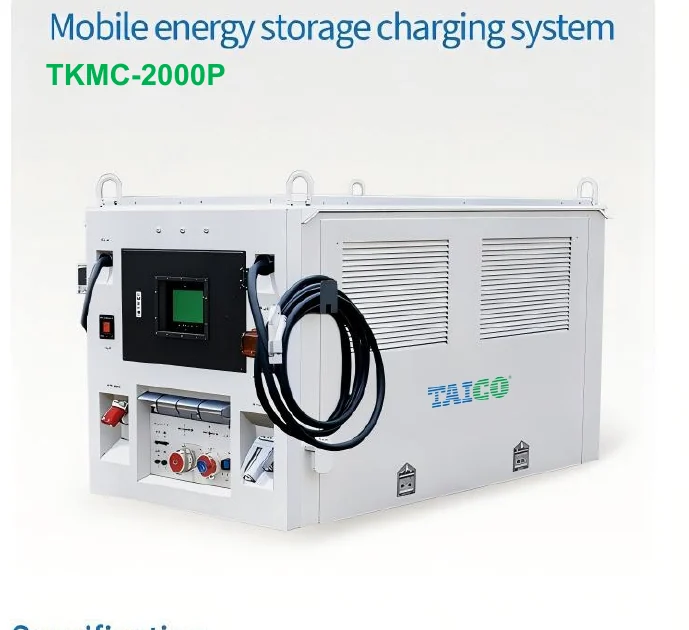
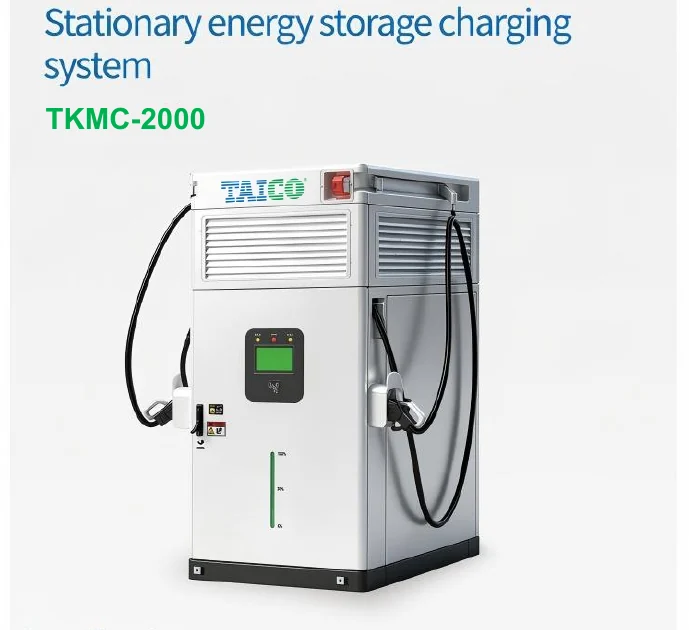
The Mobile EV Charger for Roadside Rescue solution presents the catalog-supported starting points and project inquiry path. Compare published model data in the TKMC product comparison, or review the broader mobile EV charging buyer’s guide before building a shortlist.
FAQ
Frequently asked questions
Does dispatch information prove that a vehicle can be charged?
No. The operator must verify the vehicle condition, connector, positioning, and ability to enter a charging session. If the vehicle cannot charge or cannot remain safely at the location, recovery equipment may be required.
Can this workflow be used as a universal safety procedure?
No. Develop and approve the operating procedure for the selected equipment, vehicles, market, roadside conditions, and responsible operators. This article is a planning framework only.